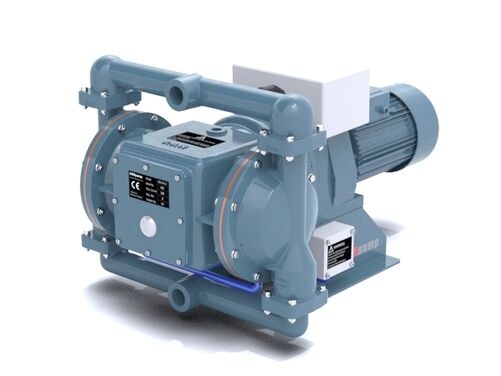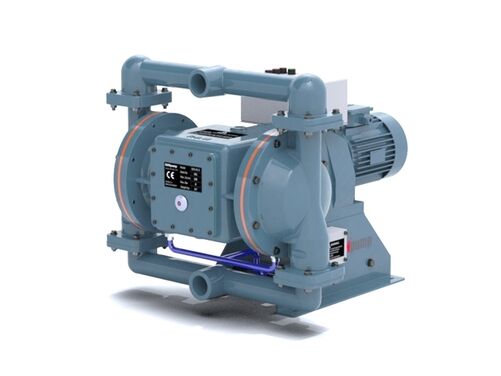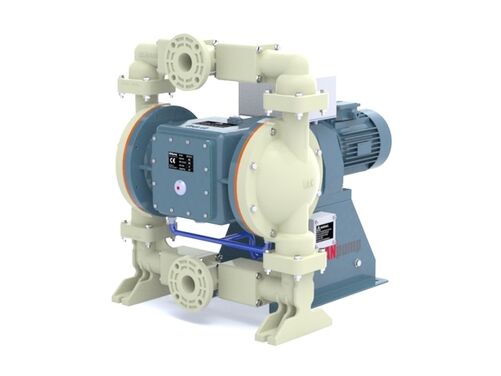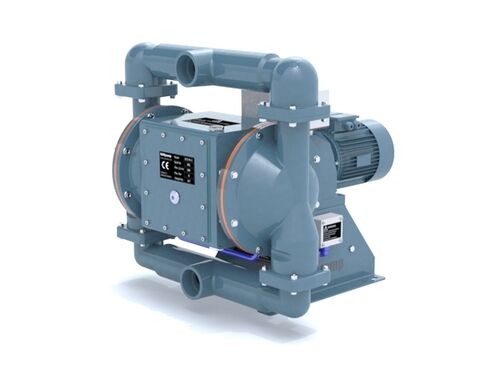

Electromagnetic Diaphragm Pumps
Electromagnetic diaphragm pumps are positive-displacement metering pumps used for accurate, repeatable chemical dosing. They’re commonly selected for low to moderate flow rates, precise control, and reliable injection of treatment chemicals into a process line.
What are electromagnetic diaphragm pumps and how do they work?
An electromagnetic diaphragm pump uses an electromagnet (solenoid) to move an armature back and forth. That motion flexes a diaphragm, creating suction and discharge strokes:
• On the suction stroke, the diaphragm pulls back, opening the inlet check valve and drawing chemical into the pump head.
• On the discharge stroke, the diaphragm pushes forward, closing the inlet valve and opening the outlet check valve to push chemical into the line.
Flow is typically controlled by stroke frequency (and sometimes stroke length), allowing accurate dosing over a wide turndown range.
Typical applications
• Water & wastewater treatment: dosing of disinfectants, pH control chemicals, coagulants/flocculants (duty dependent)
• Industrial process dosing: corrosion inhibitors, antiscalants, biocides, additives
• Cooling towers / boilers: conditioning chemicals and inhibitors
• Food & beverage utilities: CIP chemical dosing (where compatible and specified)
(Chemical compatibility depends on pump head and diaphragm materials.)
Why buy electromagnetic diaphragm pumps from Triark?
Triark can support pump selection, spares supply and aftercare—helping you choose the right pump for required dose rate, line pressure, chemical compatibility, and control method, then supporting uptime with the correct consumables and technical help.
Electromagnetic diaphragm pump spares and service
Common wear/service items include:
• Diaphragm
• Check valves (balls/seats/cartridges depending on design)
• O-rings/gaskets
• Strainers and injection fittings (system components that protect dosing accuracy)
Repair and maintenance
Good practice includes:
• Regularly inspect/clean valves and strainers to prevent loss of prime or inaccurate dosing
• Verify calibration (dose output vs setpoint) if process accuracy is critical
• Check for leaks around fittings and confirm correct backpressure/injection hardware
• Avoid running against blocked injection points; ensure the system has appropriate pressure control and safety devices