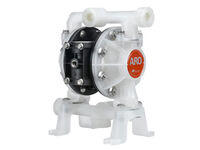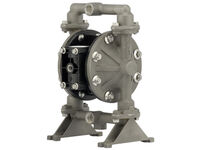

Pumping Solutions for Water Treatment
Pumps are central to water and wastewater treatment, moving and dosing fluids through each stage of the process. From raw water intake to final discharge, pumping systems ensure consistent flow, reliable pressure, and controlled chemical addition. Because treatment plants often run 24/7 and handle everything from clean water to abrasive sludge, pumps must be efficient, robust, and easy to maintain.
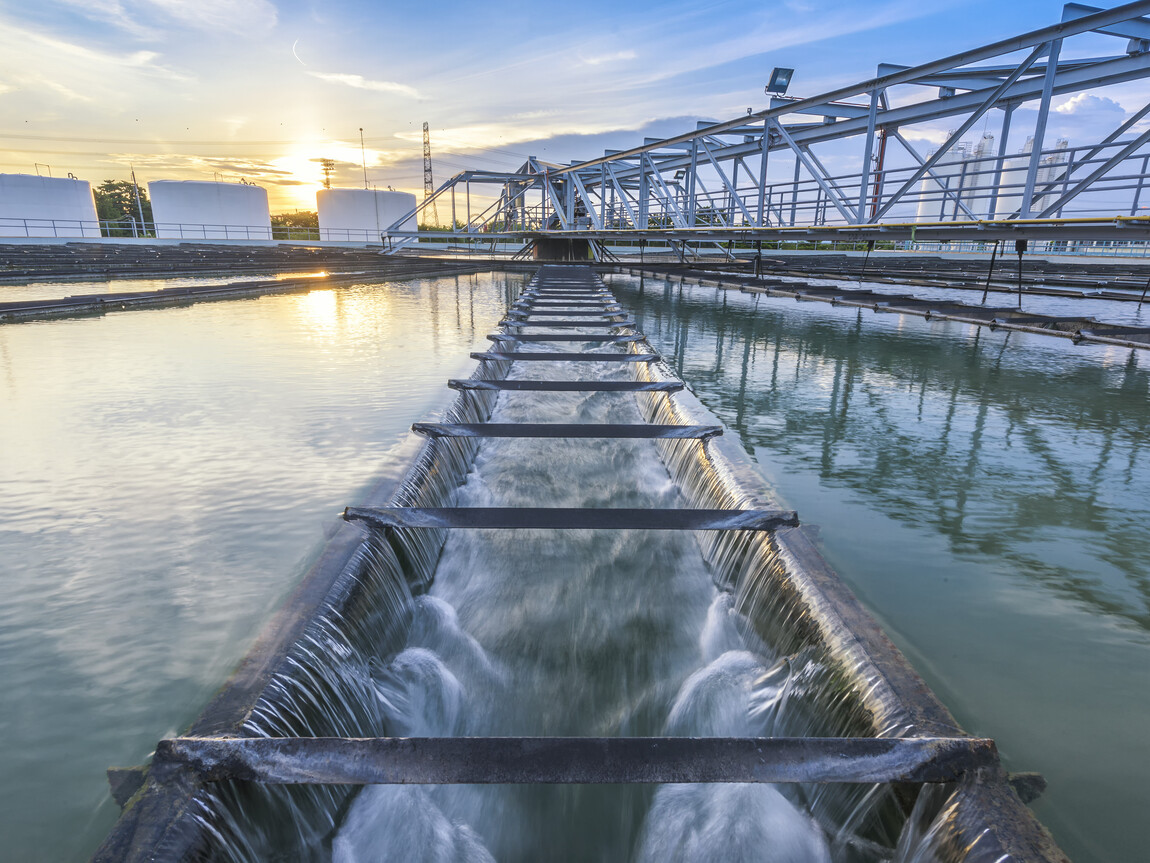
Common Water Treatment Applications
Pumping is used across the full treatment cycle, including:
- Raw water intake and transfer to clarification or filtration stages
- Process circulation in settling tanks, membrane systems, and sand/carbon filters
- Chemical dosing and disinfection (chlorine, coagulants, pH correction, polymers)
- Backwash and washwater pumping for filter cleaning
- Sludge, scum, and effluent handling in wastewater and digestion systems
- Final treated water distribution to storage or network supply
These duties range from high-flow, low-pressure transfer to low-flow, high-accuracy metering.

What Operators Need
Effective water treatment pumping solutions are defined by:
- High reliability for continuous operation and low unplanned downtime
- Energy-efficient performance to reduce lifecycle operating costs
- Solids and abrasion tolerance where sludge or grit is present
- Corrosion-resistant materials for chemicals and aggressive wastewater
- Stable, controllable flow to keep processes within specification
- Maintenance-friendly designs for quick servicing and minimal outage time
- Compliance readiness for municipal or industrial plant standards
Why the Right Pump Matters
Choosing duty-matched pumps improves treatment consistency, protects downstream equipment, and reduces energy and maintenance costs. In short, the right pumping solution keeps water treatment processes stable, compliant, and cost-effective day after day.