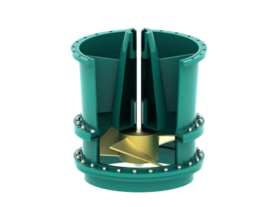

Axial Flow Pumps
Axial flow pumps are dynamic pumps designed to move very large flow rates at low heads. They’re most common in water and industrial circulation duties where the priority is moving high volumes efficiently rather than generating high pressure.
What are axial flow pumps and how do they work?
An axial flow pump uses a propeller-type impeller to push fluid parallel to the pump shaft (i.e., along the axis). The rotating impeller accelerates the liquid, and the pump casing/diffuser helps convert that energy into useful flow through the system.
They’re best suited to low differential pressures and are typically selected based on flow rate, head, and system hydraulics.
Axial Flow Pump Typical applications
• Flood control and stormwater management (high volume transfer)
• Irrigation and drainage
• Cooling water circulation (power, industrial plants)
• Water and wastewater: large-scale circulation, intake/outfall and transfer duties
• Aquaculture / fish farming circulation and transfer (duty dependent)
Why buy axial flow pumps from Triark?
Triark can support pump selection, spares supply and aftercare—helping you choose the right axial flow pump configuration for flow, head, intake conditions, materials compatibility, and operating duty, then supporting uptime with service parts and technical help.
Axial flow pump spares and service
Common wear/service items include:
• Impeller/propeller (erosion or damage from debris)
• Bearings and lubrication components
• Shaft seals (especially in wet-pit/submersible arrangements)
• Wear rings / clearances (model dependent)
Repair and maintenance
Good practice includes:
• Monitor vibration/noise (bearing or hydraulic issues)
• Keep intakes clear to reduce debris damage and performance loss
• Check seal condition and lubrication where applicable
• Watch for performance changes (flow/head drop can indicate wear, blockage, or clearance changes)