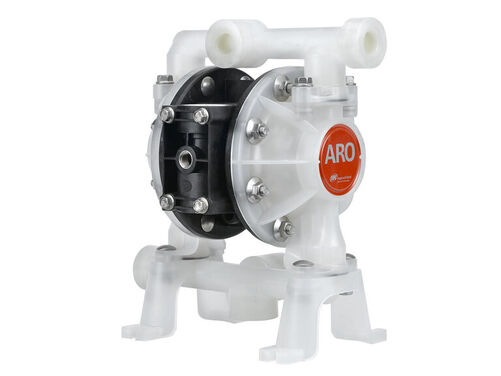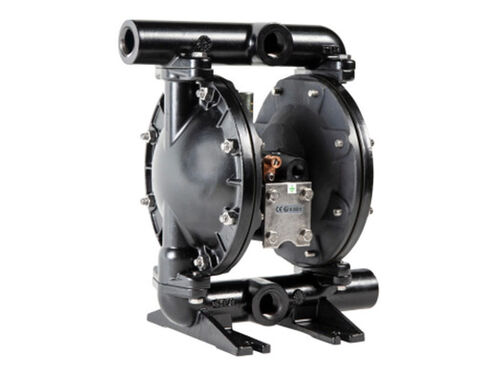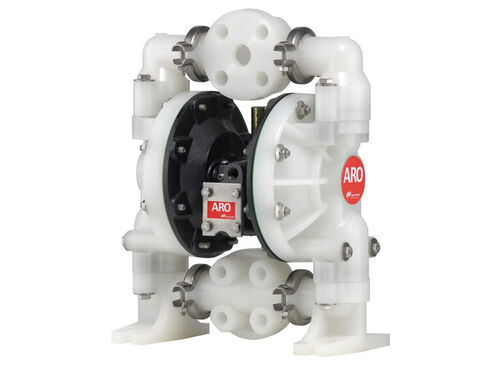

Low NPSH Pumping Solutions
Low NPSH applications occur when a pump has limited inlet pressure available, making it more likely to suffer from cavitation. This is common when pumping from shallow tanks, hot liquids near their boiling point, long or restrictive suction lines, or processes operating under vacuum. In these duties, pumps must be selected to run reliably with a low Net Positive Suction Head available (NPSHa), without vibration, noise, or damage.
Common Low NPSH Applications
Low NPSH conditions are typically found in:
- Boiler feed and hot water services
- Light hydrocarbons, solvents, and volatile chemicals
- Suction from tanks or vessels with low liquid levels
- Vacuum or low-pressure process systems
- High-temperature circulation loops
- Long suction pipe runs or high-friction inlet layouts
These scenarios reduce suction head and increase cavitation risk if the pump isn’t designed for it.

What Operators Need
Effective low NPSH pumping is defined by:
- Low NPSHr pump designs that tolerate restricted inlet conditions
- Stable hydraulics to prevent cavitation, flow instability, and premature wear
- Correct sizing and speed selection, avoiding oversizing that raises NPSHr
- Appropriate inlet geometry (inducers, larger suction nozzles, smooth flow paths)
- Materials and construction suited to potential vapor formation or flashing fluids
- Reliable operation across variable levels and temperatures
Why the Right Low NPSH Pump Matters
Choosing a pump engineered for low NPSH conditions reduces cavitation damage, extends seal and bearing life, and improves uptime. In short, the right solution protects equipment and keeps the process stable even when suction conditions are challenging.