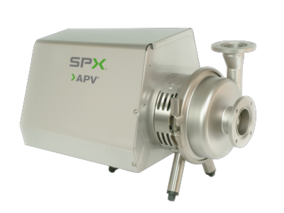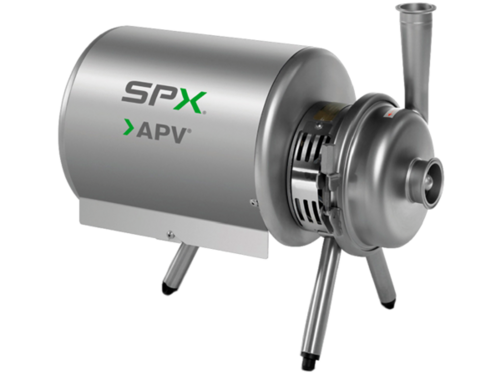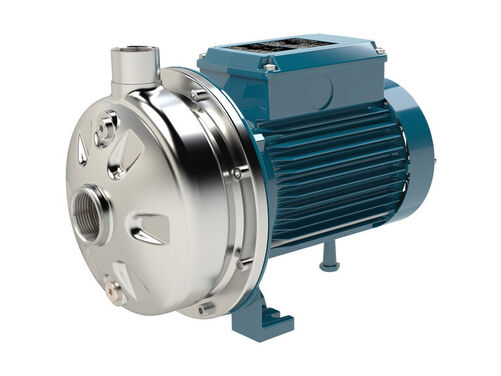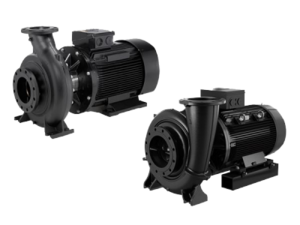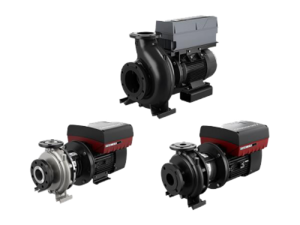

Centrifugal Pumps
Centrifugal pumps are dynamic pumps used for efficient transfer of low to medium viscosity liquids. In hygienic and industrial systems they’re a common choice where you want steady flow, simple operation, and compatibility with CIP (and, where specified, SIP).
What are centrifugal pumps and how do they work?
A centrifugal pump uses a rotating impeller to add velocity to the liquid. The casing converts that velocity into pressure, pushing liquid from the suction side to the discharge side. Flow and pressure depend on impeller design, speed, and the system curve—making centrifugal pumps ideal for continuous transfer duties.
Centrifugal Pump Typical applications
• Water-like liquids and utilities: water transfer, washdown, CIP supply/return
• Food & beverage (hygienic transfer): dairy and beverage liquids, syrups at manageable viscosities, general process transfer
• General industry: chemical transfer (with compatible materials), circulation, filtration loops, tank-to-tank transfer
Why buy centrifugal pumps from Triark?
Triark can support pump selection, spares supply and aftercare—helping you choose the right pump type and configuration for flow, head, temperature, materials compatibility, and cleaning requirements, then supporting uptime with service parts and technical help.
Centrifugal pump spares and service
Common wear/service items include:
• Mechanical seals
• O-rings/gaskets
• Impeller and wear components (if exposed to solids/abrasion)
• Bearings (motor or bearing frame dependent)
Centrifugal Pump Repair and maintenance
Good practice includes:
• Monitor for seal leakage, noise/vibration, and changes in performance
• Avoid running dry (mechanical seals rely on lubrication/cooling from the pumped fluid)
• Maintain good suction conditions to reduce cavitation risk (NPSH issues)
• Keep CIP/SIP parameters within seal/elastomer limits and ensure correct cleaning flow/temperature