
Pumping Solutions for Aquaculture
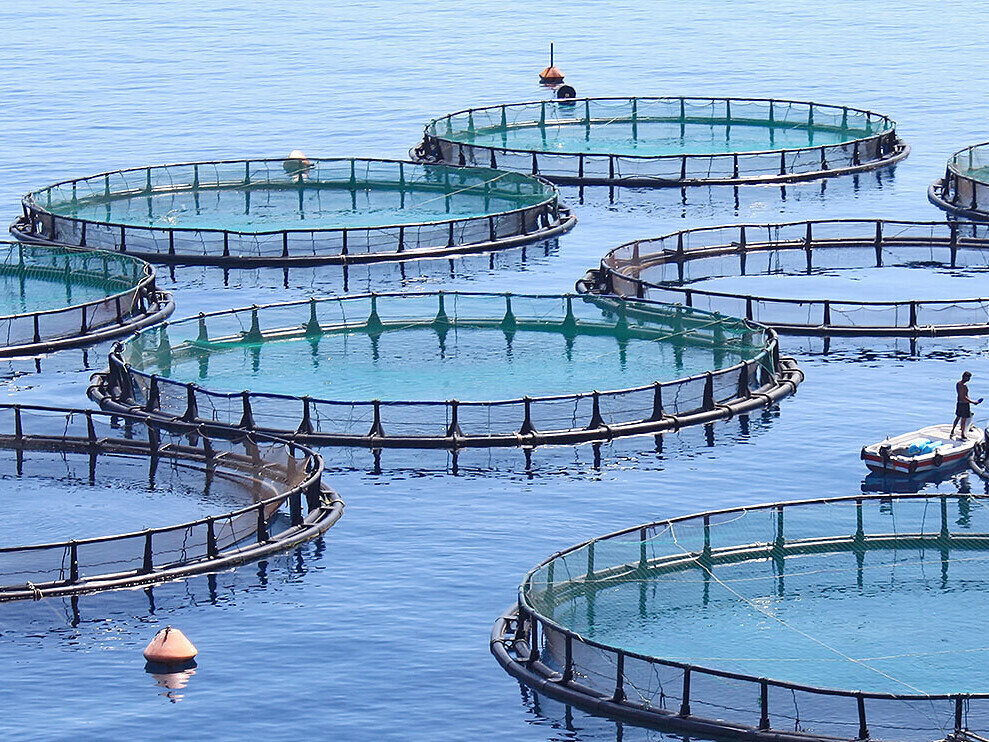
In the pump industry, aquaculture / fish farming refers to the water-handling and process duties involved in raising fish (and other aquatic species) in tanks, ponds, raceways, sea cages, hatcheries, or recirculating aquaculture systems (RAS). From a pumping perspective, it’s essentially an applications sector defined by the need to move and condition large volumes of water while protecting animal welfare and water quality.
Common Aquaculture Applications
Aquaculture systems rely on pumps to keep water moving, clean and oxygenated—while protecting fish welfare and maintaining stable water quality. Pump selection is usually driven by flow rate, head, solids handling, corrosion resistance, efficiency and reliability, plus the specific process step (intake, transfer, filtration, oxygenation, sludge handling, etc.).

What Operators Need
In aquaculture/fish farming, operators typically need pumps and pump support that prioritize uptime, water quality stability, and low operating cost. Concretely, they usually need:
Reliable 24/7 operation with minimal unplanned downtime
Correct flow + head to maintain turnover rates, tank levels, and circulation targets
Energy efficiency (big OPEX driver) and the ability to control flow (VFDs, throttling strategy)
Corrosion resistance for seawater/brackish duties (materials, coatings, elastomers)
Fish-safe intake protection (screens/strain filters, low-risk hydraulics)
Easy maintenance: quick access to wear parts, simple seal changes, clear service intervals
Fast spares availability (seals, bearings, impellers, hoses/diaphragms depending on pump type)
Backup/contingency options (duty/standby pumps, bypass lines) for critical loops
Monitoring and alarms: pressure, flow, vibration, temperature, seal leakage—so issues are caught early
Why the Right Pump Matters
How to choose the right pump for fish farming
To recommend a pump correctly, we typically need:
Required flow rate and head
Water type: fresh / brackish / seawater
Solids content (if any) and particle size
Duty cycle (continuous vs intermittent)
Temperature range
Installation details (suction lift vs flooded suction, pipe lengths, filtration)
Any dosing chemicals and compatibility requirements