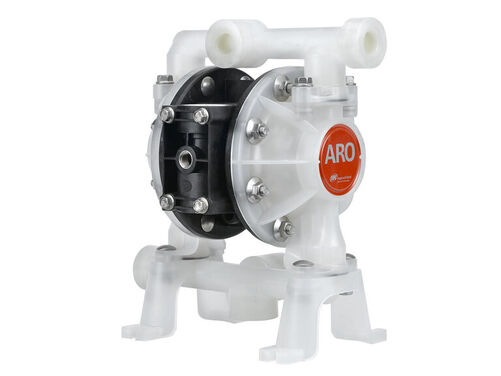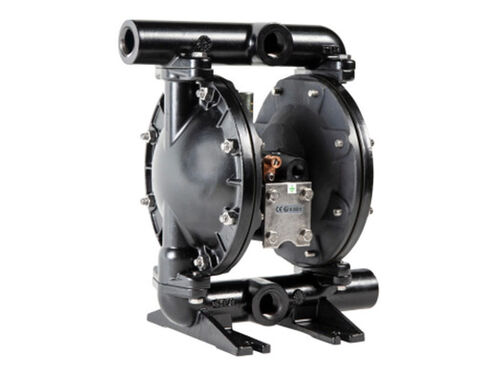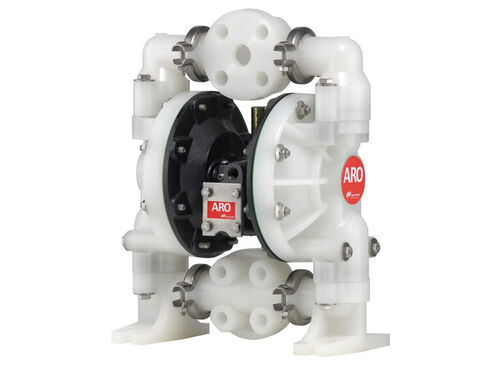

Pumping Solutions for Thermal Liquids
Thermal liquids—such as heat transfer oils, hot water, or glycol-based fluids—are used to move and control heat in industrial processes. These fluids often operate at elevated temperatures and in closed-loop systems, so pumps must deliver stable circulation, temperature tolerance, and long-term reliability. The right thermal-liquid pump keeps heating and cooling processes efficient while protecting equipment from thermal stress and premature wear.
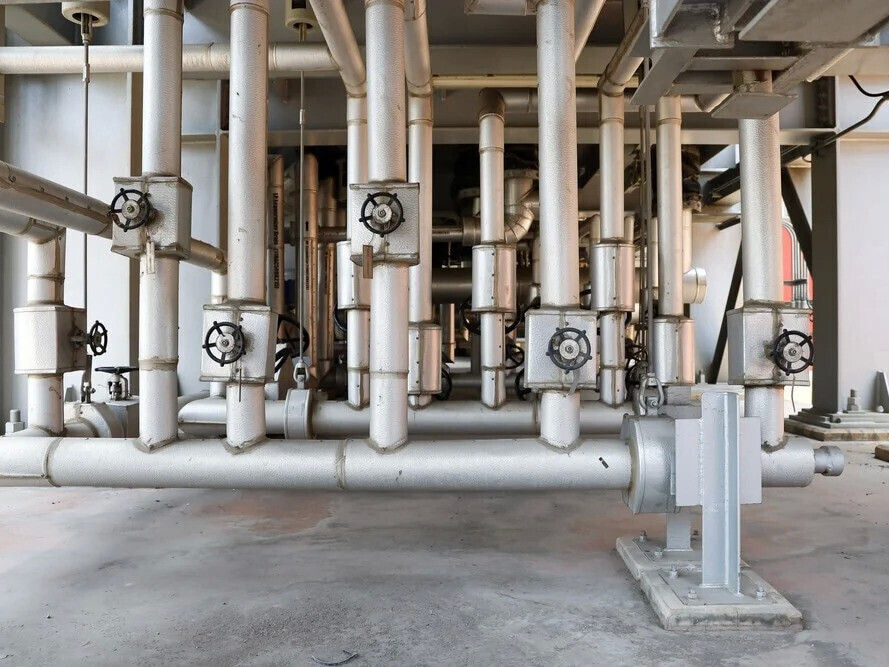
Common Thermal-Liquid Applications
Thermal-liquid pumping is typically required for:
- Heat transfer oil circulation in reactors, dryers, ovens, and jackets
- Hot water loops for process heating and plant utilities
- Glycol/chilled water systems in cooling networks and HVAC
- Thermal fluid skids and packaged heater units
- Energy recovery and cooling circuits supporting continuous processes
- These duties are often continuous and sensitive to flow stability.

What Operators Need
- Effective pumping for thermal liquids is defined by:
- High-temperature capability for hot oils and water without loss of performance
- Stable, continuous circulation to maintain uniform heat transfer
- Reliable sealing and bearing design to handle thermal expansion and viscosity changes
- Low NPSHr performance where hot fluids reduce available suction head
- Materials compatibility with heat transfer oils, additives, or glycol blends
- Efficient operation to reduce energy use in always-on loops
Why the Right Pump Matters
Choosing a pump designed for thermal-liquid duties reduces cavitation risk, extends component life, and keeps temperature control consistent. In short, duty-matched thermal pumping solutions protect critical heat-transfer systems and support safe, efficient plant operation.